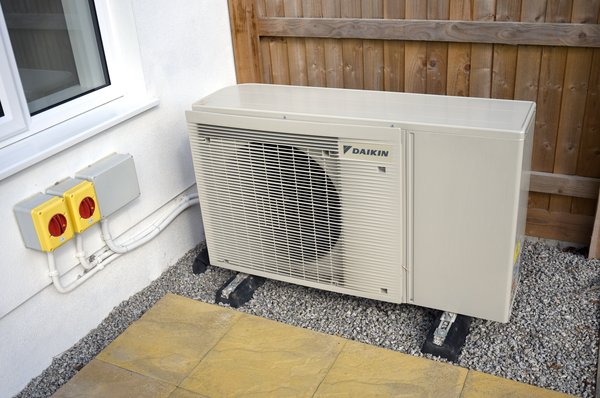
Coastline Housing has recently completed a project with the University of Exeter and Community Energy Plus, SmartHeat.
In this project we talked to both our internal staff and contractors, as well as our customers on the issues around heat pumps, and how we can get the best out of them.
Heat pumps: what they mean for Coastline
At Coastline, our priority is making sure our homes are warm, environmentally friendly and affordable to live in. One of the ways we’re doing this is by installing heat pumps in some homes, instead of traditional gas and oil boilers. All of our new builds have heat pumps fitted as standard.
You may have heard about heat pumps and wondered what they are, how they work, and whether they cost more to run. In this blog we will look at the basics of heat pumps, and what we have been doing at Coastline to engage our customers.

What is a heat pump?
A heat pump is a different way of heating your home. Instead of burning gas or oil to make heat, it uses electricity to collect heat from the air outside and bring it indoors. Even when it feels cold outside, there is still heat in the air that the system can use. The heat pump then ‘squeezes’ this heat and pumps it into the house.
It is the same technology as a fridge, but working in reverse.
Why is Coastline using heat pumps?
Heat pumps are important because they are better for the environment and help us reduce the emissions from our homes. Gas and oil boilers release carbon dioxide, which adds to global warming. Heat pumps produce much less carbon, especially as they are powered by electricity from the grid which is increasingly produced from wind and solar energy.
They also help protect customers from rising gas and oil prices. Fossil fuel costs can change a lot from year to year and are also at risk from global conflicts, like we have seen recently with Russia’s invasion of Ukraine, and the Iran conflict. These global events can cause prices to soar. Because heat pumps use electricity, they can help protect our customers from volatile fossil fuel prices.
Do heat pumps cost more to run?
This is one of the most common questions. The short answer is: not necessarily.
Electricity does cost more per unit than gas, but heat pumps are very efficient. For every unit of electricity they use, they can produce around three or four units of heat. A gas boiler can only produce about one unit of heat for every unit of gas it burns.
In well insulated homes, many customers find that their heating costs are similar to, or sometimes lower than, a gas boiler. Heat pumps work best when they are left on gently, keeping the home at a steady temperature, rather than being turned on and off. ‘Low and Slow’.

Are heat pumps comfortable?
Yes. Heat pumps provide a steady, even warmth throughout the home, rather than short bursts of very hot heat, like a traditional boiler. Your radiators will not be scalding hot, but will be a gentle heat for longer, meaning your home stays warm.
Looking ahead
Heat pumps are a key part of Coastline plan to provide warm, affordable and environmentally friendly homes for the future. Alongside good insulation and clear advice for customers, heat pumps can help manage your bills, and keep your home cozy for years to come.
For more information, please visit our dedicated heat pumps page.